Cannabis Mold Remediation: How to Identify, Remove, and Prevent Mold in Cannabis Facilities
 "Cannabis Mold Remediation: How to Identify, Remove, and Prevent Mold in Cannabis Facilities")
Effective cannabis mold remediation is critical for protecting product quality, maintaining regulatory compliance, and safeguarding consumer health in Canada's highly regulated cannabis industry. Mold contamination remains one of the most common and costly challenges faced by licensed producers, processors, and cannabis facility operators. Left unaddressed, mold can lead to failed microbial testing, product destruction, production delays, regulatory scrutiny, and significant financial losses.
As the Canadian cannabis industry continues to mature, regulatory expectations surrounding contamination control have become increasingly stringent. Health Canada requires licensed cannabis facilities to maintain clean, controlled environments that minimize microbial risks and ensure consumer safety. Producers must be able to demonstrate through documentation, testing, environmental controls, and operating procedures that contamination risks are actively managed throughout cultivation, processing, packaging, and storage.
Unlike many manufacturing environments, cannabis facilities present unique challenges when it comes to mold prevention. Plants naturally release moisture into the environment, creating conditions that can support microbial growth if humidity, airflow, and sanitation practices are not properly managed. Because cannabis products are inhaled, ingested, or absorbed by consumers, microbial contamination presents more than just a quality issue—it can become a serious public health concern.
Understanding how mold develops, how to identify contamination early, and how to implement effective remediation and prevention strategies is essential for every cannabis operation. In this guide, we'll explore the causes of mold contamination, proven remediation processes, and the proactive measures facilities can take to reduce risk and maintain compliance.
Why Mold Is Such a Serious Issue in Cannabis Facilities
Mold contamination can have consequences that extend far beyond a single crop loss. While the immediate impact is often measured in destroyed product and lost revenue, the long-term implications can affect regulatory compliance, operational efficiency, brand reputation, and consumer trust.
Cannabis products in Canada must meet strict microbial limits before they can be sold to consumers. If microbial testing identifies contamination levels that exceed allowable thresholds, affected batches may need to be quarantined, destroyed, or recalled. These actions can result in substantial financial losses and increased regulatory scrutiny.
For licensed producers, contamination events often trigger comprehensive investigations into facility conditions, sanitation practices, environmental controls, and quality assurance procedures. Repeated contamination issues may lead to corrective action requirements or increased oversight during regulatory inspections.
From a consumer safety perspective, mold contamination is particularly concerning because cannabis is commonly consumed through inhalation. Certain molds, including Aspergillus species, have been associated with respiratory complications in vulnerable individuals. As a result, contamination prevention is not simply a quality assurance objective—it is a critical component of consumer protection.
The most successful cannabis facilities understand that mold prevention must be embedded into every aspect of operations rather than treated as an occasional maintenance issue.
Understanding What Causes Mold in Cannabis Facilities
Effective remediation begins with understanding the conditions that allow mold to develop. While mold spores are naturally present in most environments, contamination occurs when conditions allow those spores to grow, reproduce, and spread.
Several factors commonly contribute to mold development within cannabis facilities.
High Humidity and Poor Environmental Control
Humidity is one of the most significant drivers of mold growth in cannabis environments. Cannabis cultivation requires carefully controlled humidity levels that vary depending on the stage of plant development. When humidity exceeds recommended ranges, particularly during flowering and drying stages, mold spores can quickly establish themselves on plant material and facility surfaces.
In commercial cannabis facilities, even short periods of elevated humidity can create serious contamination risks. HVAC failures, improperly calibrated sensors, inadequate dehumidification capacity, or delayed maintenance can allow humidity levels to rise rapidly. Once moisture accumulates on plants or facility surfaces, conditions become highly favorable for microbial growth.
Facilities that rely on manual environmental monitoring often face greater risks because humidity fluctuations may go unnoticed until contamination has already occurred. Modern facilities increasingly rely on automated monitoring systems that provide real-time alerts whenever environmental conditions move outside acceptable ranges.
Maintaining stable humidity levels is one of the most important strategies for preventing mold development.
Inadequate Airflow and Ventilation
Proper airflow plays a critical role in controlling moisture and preventing contamination. When air movement is restricted, pockets of stagnant air can develop within cultivation rooms, drying areas, processing spaces, or storage environments.
These stagnant zones allow moisture to accumulate on surfaces and plant material, creating ideal conditions for mold growth. In many contamination investigations, airflow deficiencies are identified as a contributing factor.
Facility design also plays a role. Overcrowded grow rooms, improperly positioned equipment, blocked ventilation pathways, and poorly balanced HVAC systems can all reduce airflow effectiveness.
Effective ventilation systems help remove excess moisture while promoting consistent environmental conditions throughout the facility. Many regulated cannabis operations also utilize HEPA filtration systems to reduce airborne contaminants and minimize the spread of mold spores.
Without adequate airflow management, even well-designed cultivation environments can become vulnerable to contamination.
Contaminated Equipment and Facility Surfaces
Equipment, tools, irrigation systems, drying racks, carts, processing machinery, and other surfaces can all become reservoirs for mold spores when cleaning practices are inadequate.
Mold contamination often persists because spores survive on equipment that appears visually clean but has not been properly sanitized. Organic residue left behind during cultivation or processing provides nutrients that support microbial growth and allow contamination to spread between production cycles.
Facilities that experience recurring contamination problems frequently discover that cleaning procedures are inconsistent, poorly documented, or not properly validated.
Effective sanitation programs require more than routine cleaning. Facilities must implement standardized procedures, verify cleaning effectiveness, maintain documentation, and ensure staff consistently follow established protocols.
Breaking the contamination cycle requires eliminating mold spores from every potential source within the facility.
Employee Hygiene and Operational Practices
People are among the most common vectors for contamination within controlled environments.
Employees can inadvertently introduce mold spores through clothing, footwear, tools, packaging materials, and personal items. Staff moving between outdoor environments and cultivation areas may carry contaminants into sensitive production spaces if proper controls are not in place.
For this reason, regulated cannabis facilities often implement strict hygiene programs that include gowning procedures, handwashing protocols, sanitation stations, restricted access zones, and controlled personnel movement.
Employee training is equally important. Staff must understand how contamination occurs, why procedures matter, and how individual actions contribute to product safety.
Facilities that establish a strong culture of compliance and contamination awareness are often more successful in preventing mold-related issues.
Drying and Curing Challenges
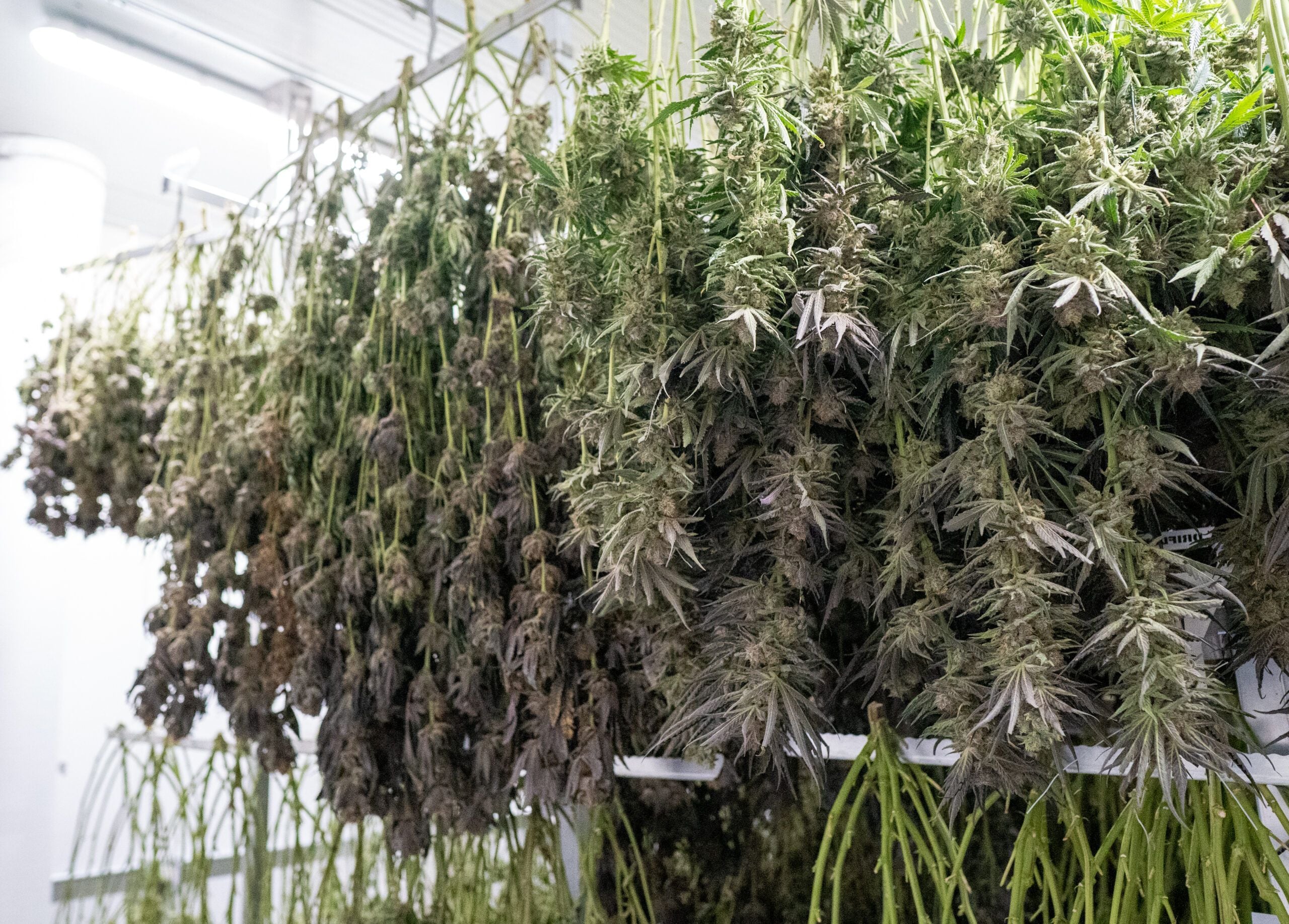
The drying and curing process represents one of the highest-risk stages for mold development.
Following harvest, cannabis plants release significant amounts of moisture into the surrounding environment. If humidity, temperature, and airflow are not carefully managed, moisture can become trapped within dense flowers, creating ideal conditions for mold growth.
In some cases, facilities attempting to accelerate drying schedules inadvertently create environmental conditions that encourage contamination. Rushing drying processes, overcrowding drying rooms, or failing to monitor environmental conditions can result in substantial product losses.
Successful drying and curing programs rely on validated environmental controls, routine inspections, and continuous monitoring to ensure moisture is removed consistently and safely.
How to Identify Mold Contamination Before It Becomes a Major Problem
Early detection is one of the most effective ways to reduce the impact of mold contamination. The sooner contamination is identified, the easier it is to contain and remediate affected areas.
Visual Inspection Programs
Routine visual inspections remain one of the most important tools for identifying potential contamination.
Trained personnel can often identify early warning signs such as unusual discoloration, fuzzy growth, dark spots, surface residue, or changes in plant appearance. Regular inspections should be performed throughout cultivation areas, drying rooms, processing environments, storage spaces, and mechanical systems.
However, visual inspections alone are not enough. Mold can develop inside dense cannabis flowers where contamination may not be immediately visible.
For this reason, visual inspection programs should be integrated into broader environmental monitoring and quality assurance initiatives.
Environmental Monitoring and Air Sampling
Many cannabis facilities now implement environmental monitoring programs similar to those used in pharmaceutical and food production environments.
Air sampling and surface testing allow facilities to measure microbial levels before visible contamination occurs. These programs establish baseline conditions and help operators identify abnormal microbial activity early.
Environmental monitoring data can also support regulatory compliance by demonstrating that contamination risks are being actively managed.
By tracking microbial trends over time, facilities can make proactive adjustments to environmental controls, cleaning schedules, and operational procedures.
Product Testing and Quality Assurance
Product testing remains one of the most important safeguards within regulated cannabis production.
Microbial testing verifies that cannabis products meet Health Canada's requirements before entering the market. Failed test results often serve as an early warning sign that contamination risks exist within facility operations.
Quality assurance teams play a critical role in reviewing testing data, investigating failures, identifying root causes, and implementing corrective actions.
Testing should be viewed as more than a regulatory requirement. It is a valuable operational tool that provides insight into the effectiveness of contamination control programs.
Environmental Warning Signs
Experienced facility operators often recognize subtle environmental indicators before contamination becomes visible.
Unusual odors, unexpected humidity fluctuations, condensation, inconsistent airflow, or unexplained changes in environmental conditions may signal elevated contamination risks.
Facilities should encourage employees to report environmental concerns immediately. Addressing potential issues early often prevents more extensive contamination events later.
The Cannabis Mold Remediation Process: Step-by-Step
When mold contamination is confirmed, immediate action is essential.
A structured remediation process helps minimize product losses, contain contamination, and restore facility operations safely.
Containing the Contamination
The first objective is preventing spores from spreading to unaffected areas.
Containment measures typically include isolating affected rooms, controlling airflow, restricting access, and implementing protective procedures for remediation personnel.
In larger remediation projects, negative air pressure systems may be used to prevent spores from migrating into surrounding spaces.
The speed and effectiveness of containment often determine the overall success of the remediation effort.
Removing Contaminated Materials
Once contamination has been isolated, affected materials must be assessed and removed.
In many cases, heavily contaminated cannabis cannot be salvaged and must be destroyed according to regulatory requirements. Depending on the severity of contamination, certain equipment, packaging materials, or facility components may also require removal.
Proper documentation is essential throughout this stage to support compliance requirements and maintain traceability.
Removing contaminated material eliminates the primary source of spores and helps prevent further spread.
Deep Cleaning and Disinfection
Following removal, facilities must undergo thorough cleaning and disinfection.
This process extends far beyond surface cleaning. Every potentially affected area must be addressed using approved disinfectants and validated cleaning procedures.
Professional remediation teams may utilize specialized technologies such as antimicrobial treatments, fogging systems, HEPA vacuuming, and advanced sanitation methods designed specifically for regulated environments.
The goal is not only to eliminate visible contamination but also to remove microscopic spores that could contribute to future outbreaks.
Air Filtration and Environmental Restoration
Mold spores often remain airborne even after visible contamination has been removed.
Air filtration systems play an important role in restoring environmental conditions and removing residual contaminants. HVAC systems may require cleaning, filter replacement, recalibration, or redesign depending on the source of contamination.
Environmental conditions must also be adjusted to eliminate the moisture and airflow issues that contributed to mold growth in the first place.
Without correcting root causes, contamination is likely to return.
Verification and Post-Remediation Testing
The final stage of remediation involves verification.
Environmental sampling, air testing, surface testing, and product testing help confirm that remediation efforts have been successful. Facilities should not resume normal operations until testing demonstrates that contamination has been effectively eliminated.
Verification provides confidence that the environment is safe and compliant while supporting documentation requirements during audits and inspections.
Preventing Mold from Returning
While remediation is important, prevention remains the most cost-effective strategy.
Facilities that focus on prevention experience fewer disruptions, lower remediation costs, and greater operational stability.
Building Strong Environmental Control Programs
Environmental control is the foundation of mold prevention.
Modern cannabis facilities increasingly rely on automated systems that continuously monitor humidity, temperature, airflow, and pressure relationships. These systems provide alerts whenever conditions move outside acceptable ranges, allowing operators to respond quickly before contamination develops.
Consistent environmental conditions significantly reduce microbial risks.
Maintaining Effective Cleaning and Sanitation Programs
Routine cleaning should be treated as a critical operational function rather than a housekeeping task.
Structured sanitation schedules, validated procedures, documented cleaning records, and periodic verification testing all contribute to stronger contamination control programs.
Maintaining clean environments reduces opportunities for mold spores to establish themselves and spread.
Investing in Employee Training
Technology alone cannot prevent contamination.
Employees must understand how contamination occurs and what role they play in preventing it. Ongoing training helps reinforce best practices while ensuring personnel remain aware of evolving regulatory expectations.
Organizations that prioritize employee education often experience stronger compliance outcomes and fewer contamination events.
Conducting Routine Audits and Inspections
Regular audits help identify vulnerabilities before they lead to contamination.
Internal inspections should evaluate environmental controls, sanitation programs, employee practices, HVAC performance, documentation systems, and overall facility conditions.
Continuous improvement is one of the most effective long-term strategies for reducing contamination risks.
Why Professional Cannabis Remediation Specialists Matter
Cannabis facilities operate within a unique regulatory environment that requires specialized expertise.
Professional remediation companies understand not only how to remove contamination but also how to protect compliance, documentation, and operational continuity throughout the remediation process.
Experienced remediation specialists can identify root causes, implement advanced cleaning strategies, validate remediation outcomes, and recommend long-term prevention improvements.
Working with professionals often reduces downtime, minimizes product losses, and provides greater confidence that contamination has been addressed properly.
For many facilities, partnering with experienced remediation experts is one of the most valuable investments they can make when contamination occurs.
Protecting Cannabis Facilities Through Effective Mold Remediation and Prevention
Mold contamination represents one of the most significant operational risks facing cannabis facilities today. Left unchecked, it can lead to product destruction, failed testing, regulatory consequences, financial losses, and damage to brand reputation.
The most successful cannabis businesses understand that mold remediation is not simply about responding to contamination after it occurs. It requires a comprehensive strategy that combines environmental control, sanitation, employee training, monitoring, testing, and continuous improvement.
By implementing proactive prevention measures and responding quickly when contamination is identified, facilities can protect product quality, maintain compliance, and support long-term operational success.
At The Cannabusters, we help cannabis facilities identify contamination risks, implement effective remediation strategies, and develop prevention programs that support regulatory compliance and product safety. Whether you're responding to a contamination event or looking to strengthen your facility's contamination control practices, our team has the expertise and experience to help.
Contact The Cannabusters today to learn how our cannabis remediation and contamination control services can help protect your facility, your products, and your reputation.
| Tags:Latest NewsGreenhouse Odor Control |