Cannabis Facility Cleaning and Sanitation: Best Practices for Compliance, Safety, and Product Quality
 "Cannabis Facility Cleaning and Sanitation: Best Practices for Compliance, Safety, and Product Quality")
Maintaining strict cannabis facility cleaning and sanitation standards is one of the most important operational responsibilities for any licensed cannabis business. Whether a facility is involved in cultivation, processing, packaging, or storage, sanitation directly impacts product quality, regulatory compliance, and consumer safety. Under Canada’s Cannabis Regulations and Good Production Practices (GPP), operators must demonstrate that their facilities are clean, controlled, and free from contamination risks at all times. This means cleaning procedures cannot be occasional or reactive — they must be structured, documented, and consistently applied across the entire operation.
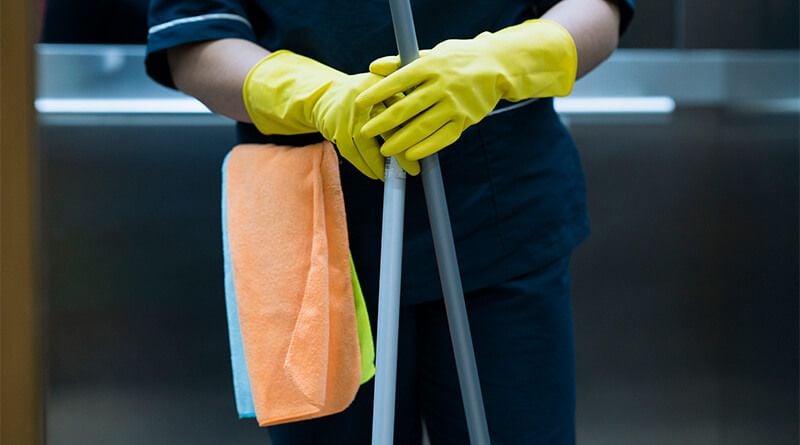
In a regulated cannabis environment, sanitation is not the same as general janitorial cleaning. It requires specialized protocols, validated cleaning agents, staff training, and documented procedures that align with federal expectations. Facilities that invest in professional cleaning systems and sanitation planning reduce contamination risk, protect their license, and strengthen operational resilience.
Why Cleaning and Sanitation Are Critical in Cannabis Facilities
Cannabis products are consumed through inhalation, ingestion, or topical application, which means contamination risks can directly affect consumer health. Mold, bacteria, pesticides, and chemical residues can compromise product safety if sanitation is not properly managed. Health Canada therefore requires licensed operators to maintain environments that minimize contamination risks at every stage of production.
Beyond safety, sanitation also affects regulatory inspections and operational continuity. Inspectors routinely review cleaning schedules, sanitation logs, and SOP documentation to confirm compliance with Good Production Practices. If deficiencies are identified, facilities may be required to implement corrective actions or temporarily halt operations.
A strong sanitation program protects multiple aspects of a cannabis business simultaneously. It preserves product integrity, supports regulatory compliance, protects employee health, and builds consumer confidence. When implemented correctly, cannabis facility cleaning and sanitation becomes a proactive risk management tool rather than a reactive measure.
Key Areas That Require Specialized Cannabis Facility Cleaning and Sanitation
Different areas of a cannabis operation carry different contamination risks. Each zone requires specific sanitation protocols designed to address its operational environment.
Cultivation Rooms and Grow Areas
Cultivation spaces present unique sanitation challenges because they combine high humidity, organic material, and constant plant handling. These conditions create an ideal environment for mold spores, bacteria, and pests if proper cleaning protocols are not enforced. Floors, trays, irrigation systems, and tools must be sanitized regularly using approved disinfectants that do not introduce harmful residues. Staff must follow hygiene protocols such as glove use, protective clothing, and foot sanitation before entering grow rooms. Environmental monitoring should also be performed to detect microbial presence early. Without consistent sanitation, contamination can spread rapidly through entire crops, resulting in product destruction and financial loss.Processing and Extraction Areas
Processing rooms involve trimming, grinding, extraction, and packaging operations that expose product surfaces to equipment and air. These environments require strict sanitation controls to prevent cross-contamination between batches. Equipment must be cleaned between production cycles using validated procedures that remove plant residue and microbial contamination. Surfaces such as stainless-steel tables, conveyor systems, and packaging stations require frequent sanitization. Cleaning logs must document the time, method, and personnel responsible for each sanitation activity. Failure to maintain proper sanitation in processing environments can compromise product consistency and safety.Drying and Curing Rooms
During the drying and curing stage, cannabis plants release moisture and organic compounds into the environment. If rooms are not properly cleaned and ventilated, microbial growth can develop on walls, racks, and equipment. Sanitizing drying racks, humidity sensors, and environmental control systems prevents contamination from spreading to finished product. Operators must also monitor condensation and airflow patterns that may allow microbes to accumulate in hidden areas. Consistent cleaning ensures that product quality remains stable during this critical stage of production.Storage and Inventory Areas
Cannabis storage zones house finished product, packaging materials, and sometimes raw cannabis inventory. Sanitation protocols must prevent contamination from dust, pests, or environmental moisture. Storage shelving and containers should be cleaned routinely to maintain hygienic conditions. Temperature and humidity monitoring helps ensure that stored cannabis does not degrade or develop mold. Inventory rooms must also be organized to allow effective cleaning access to all surfaces. Poor sanitation in storage areas can compromise product shelf life and regulatory compliance.Employee Areas and Shared Spaces
Break rooms, locker areas, and washrooms can indirectly impact product safety if hygiene standards are not enforced. Employees moving between these spaces and production areas can unintentionally introduce contaminants. Cleaning programs must include frequent sanitation of door handles, lockers, sinks, and shared equipment. Handwashing stations and sanitation supplies should be easily accessible. Clear hygiene policies reinforce the importance of personal cleanliness as part of overall facility sanitation.
Developing an Effective Cannabis Cleaning and Sanitation Program
A successful sanitation program requires more than occasional cleaning tasks. It must be designed as a structured operational system supported by clear documentation and training.
Standard Operating Procedures (SOPs)
SOPs define exactly how cleaning tasks are performed, which products are used, and how frequently each area must be sanitized. These procedures must be written clearly and accessible to all employees responsible for sanitation activities. SOPs should specify contact times for disinfectants, required protective equipment, and verification steps to confirm cleaning effectiveness. Facilities that lack clear SOPs often experience inconsistent cleaning practices. Regulators expect these documents to be detailed, regularly reviewed, and integrated into employee training programs.Validated Cleaning Agents and Equipment
Cannabis facilities must select cleaning agents that effectively eliminate microbes without leaving harmful chemical residues. Disinfectants must be compatible with surfaces and equipment used in production environments. Validation studies or manufacturer documentation should confirm the effectiveness of cleaning agents against common contaminants. Facilities may also implement specialized equipment such as foam cleaners, HEPA filtration vacuums, or ultraviolet sanitation systems. Choosing appropriate tools ensures cleaning procedures are both effective and efficient.Cleaning Schedules and Documentation
A sanitation program must include structured cleaning schedules covering daily, weekly, and monthly tasks. Each task should be documented with time stamps, employee signatures, and verification checks. Documentation demonstrates that sanitation procedures are performed consistently and can be reviewed during regulatory inspections. Digital record-keeping systems are increasingly used to maintain accurate cleaning logs and improve traceability.Employee Training and Accountability
Staff members must be trained to understand the importance of sanitation within regulated cannabis environments. Training should cover cleaning procedures, contamination risks, chemical safety, and documentation requirements. Regular refresher courses reinforce compliance and help maintain high sanitation standards. Supervisors should verify cleaning tasks and address any deviations immediately. A culture of accountability ensures sanitation protocols are followed consistently.Environmental Monitoring Programs
Many cannabis facilities implement microbial testing programs to monitor environmental cleanliness. Surface swabs, air sampling, and environmental sensors can detect contamination before it affects product batches. Monitoring data provides valuable insight into sanitation effectiveness and identifies areas requiring additional cleaning. Integrating environmental monitoring with cleaning programs strengthens overall quality assurance.
Common Sanitation Failures in Cannabis Facilities
Even well-designed facilities can experience sanitation failures if protocols are not maintained correctly. Understanding common mistakes helps operators prevent recurring issues.
Inconsistent Cleaning Practices
When staff perform cleaning tasks differently from one shift to another, sanitation effectiveness declines. Inconsistent procedures often result from unclear SOPs or inadequate training. Over time, microbes and residues accumulate in neglected areas. Standardizing procedures and auditing cleaning activities helps maintain consistent sanitation standards.Improper Chemical Use
Using incorrect disinfectants or mixing incompatible chemicals can reduce sanitation effectiveness or create safety hazards. Some chemicals may leave residues that contaminate cannabis products. Facilities must ensure staff understand proper dilution ratios, contact times, and application methods. Validation of cleaning agents ensures they meet cannabis safety standards.Equipment Contamination
Tools used during cultivation and processing can become contamination vectors if not cleaned properly. Trimming tools, conveyor belts, and packaging equipment require detailed sanitation procedures between production cycles. Failure to clean equipment thoroughly can spread contaminants across multiple product batches.Poor Waste Management
Plant waste, packaging debris, and spilled material can attract pests or harbor microbes. Waste must be removed promptly and disposed of according to regulatory guidelines. Dedicated waste storage zones help isolate waste from production areas. Proper waste management is an essential component of facility sanitation.Neglected Hard-to-Reach Areas
Dust and microbes often accumulate in hidden or elevated areas such as ventilation ducts, ceiling structures, or behind equipment. Cleaning programs must include these locations to prevent contamination reservoirs from developing. Periodic deep cleaning helps maintain overall environmental hygiene.
Benefits of Professional Cannabis Facility Cleaning and Sanitation Services
Improved Regulatory Compliance
Professional sanitation services understand the requirements of Good Production Practices and regulatory inspections. They design cleaning programs that align with federal expectations and industry standards. Facilities that maintain strong sanitation records demonstrate operational maturity during inspections.Reduced Contamination Risk
Consistent sanitation dramatically reduces the likelihood of microbial outbreaks, pest infestations, and product recalls. Professional cleaning teams identify contamination risks early and implement corrective actions quickly. Preventative sanitation saves operators significant costs associated with destroyed product or remediation.Operational Efficiency
Structured cleaning programs improve workflow organization and reduce downtime caused by contamination events. Employees can focus on production activities while sanitation specialists maintain hygienic environments. Efficient sanitation practices support consistent production output.Enhanced Workplace Safety
Clean facilities reduce slip hazards, chemical exposure risks, and environmental hazards. Employees working in hygienic environments are healthier and more productive. Workplace safety programs often integrate sanitation protocols as a key component.Long-Term Facility Preservation
Regular cleaning protects equipment, surfaces, and infrastructure from corrosion, mold growth, and mechanical damage. Maintaining facility cleanliness extends the lifespan of operational assets and reduces maintenance costs.
Choosing the Right Cannabis Cleaning and Sanitation Partner
Selecting the right partner for cannabis facility cleaning and sanitation requires evaluating several factors:
Experience working within regulated cannabis environments
Knowledge of Health Canada compliance expectations
Ability to provide documented sanitation procedures and validation
Staff training and safety certifications
Flexible scheduling to minimize operational disruptions
A professional sanitation partner becomes an extension of the facility’s compliance and quality assurance teams.
Strengthening Compliance with Effective Cannabis Sanitation Programs
In the regulated cannabis industry, sanitation is a cornerstone of product safety, regulatory compliance, and operational success. Implementing comprehensive cannabis facility cleaning and sanitation programs protects consumers, preserves product integrity, and strengthens facility resilience. Businesses that prioritize structured sanitation systems position themselves for sustainable growth in a competitive and highly scrutinized market.
| Tags:Latest NewsGreenhouse Odor Control |