Cannabis Contamination Prevention: Protecting Product Quality and Regulatory Compliance
 "Cannabis Contamination Prevention: Protecting Product Quality and Regulatory Compliance")
Effective cannabis contamination prevention is one of the most critical responsibilities for any licensed cannabis operation in Canada. From cultivation to processing, storage, and distribution, every stage of the supply chain presents potential contamination risks that can compromise product safety, trigger regulatory action, and damage brand credibility. In a highly regulated environment governed by Health Canada’s Cannabis Act and Good Production Practices (GPP), contamination is not just a quality issue — it is a compliance issue.
Cannabis products are consumed in ways that directly impact human health, including inhalation and ingestion. This means even small contamination events can have serious consequences. Prevention is therefore not optional — it must be built into facility design, operational procedures, employee training, and quality assurance systems. Businesses that proactively manage contamination risks position themselves for long-term success, while those that rely on reactive solutions often face costly remediation and reputational harm.
Understanding Cannabis Contamination Risks
Cannabis contamination can originate from multiple sources, and understanding these risks is the foundation of effective prevention.
Microbial Contamination (Mold, Yeast, and Bacteria)
Microbial contamination is one of the most common and serious risks in cannabis production. Mold spores can thrive in high-humidity environments, particularly in cultivation and drying rooms. Once established, microbial growth can spread rapidly through airflow systems and surface contact. Yeast and bacteria can also contaminate cannabis during handling, especially if hygiene protocols are not strictly followed. Regular environmental monitoring, humidity control, and sanitation procedures are essential to prevent microbial proliferation. Facilities must implement validated cleaning processes and air filtration systems to maintain microbial control.Chemical Contamination (Pesticides and Residues)
Chemical contamination occurs when unauthorized pesticides, cleaning agents, or residual solvents remain on cannabis products. Health Canada enforces strict limits on pesticide use, and products that fail testing must be destroyed. Improper cleaning procedures can also leave chemical residues on surfaces that transfer to product batches. Operators must carefully select approved inputs and validate cleaning agents to ensure they do not introduce risk. Accurate record-keeping and supplier verification further reduce chemical contamination exposure.Physical Contamination (Foreign Materials)
Physical contaminants such as dust, hair, plastic fragments, or metal particles can enter the product stream during processing or packaging. These contaminants often result from poor housekeeping, equipment wear, or inadequate protective barriers. Even minor physical contamination can lead to product recalls and regulatory scrutiny. Preventative measures include protective equipment, equipment maintenance programs, and facility zoning to separate clean and non-clean areas.Cross-Contamination Between Batches
Cross-contamination occurs when residues from one batch affect another, often due to inadequate cleaning between production cycles. This is especially critical in processing environments where different product types are handled. Without strict cleaning protocols and scheduling controls, cross-contamination can compromise product consistency and safety. Facilities must implement batch separation procedures and validated cleaning verification processes.Environmental Contamination Sources
External factors such as outdoor air quality, nearby industrial activity, or water sources can introduce contaminants into cannabis facilities. Poorly filtered intake air or untreated water systems can expose plants and products to harmful substances. Environmental monitoring programs help detect these risks early. Preventative infrastructure, including filtration and water treatment systems, ensures consistent environmental control.
High-Risk Areas for Contamination in Cannabis Facilities
Each area within a cannabis facility presents unique contamination challenges. Identifying these zones allows operators to implement targeted prevention strategies.
Cultivation Environments
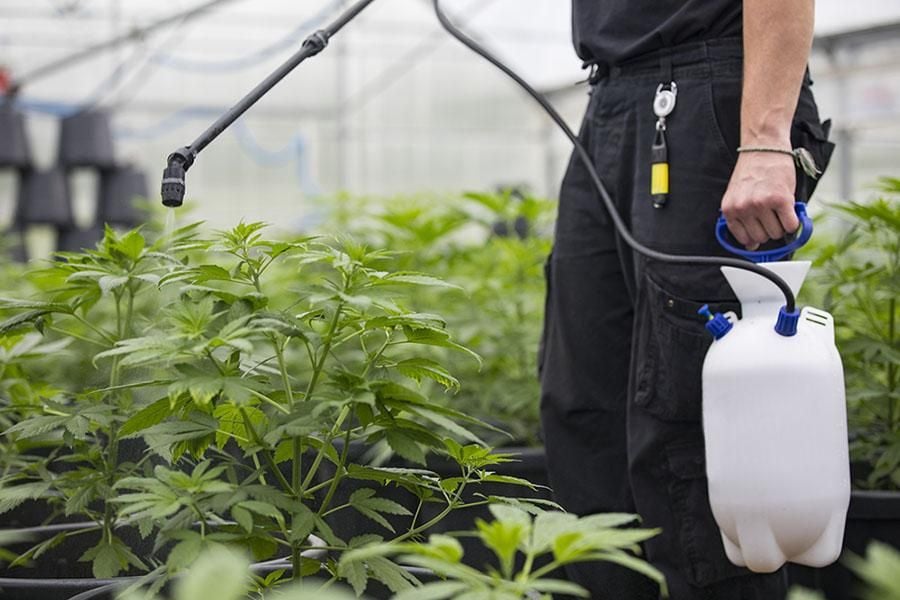
Grow rooms combine organic material, moisture, and human activity, creating ideal conditions for contamination if not controlled properly. Soil, nutrients, and irrigation systems can introduce microbial or chemical risks. Employees moving between rooms may transfer contaminants if hygiene protocols are not enforced. Airflow systems can spread spores if not properly filtered. Strict environmental controls and sanitation procedures are essential in cultivation zones.Drying and Curing Rooms
During drying, cannabis plants release moisture that can encourage microbial growth. Improper airflow or humidity control increases the risk of mold development. Equipment such as drying racks and sensors must be cleaned regularly to prevent contamination buildup. Monitoring environmental conditions ensures consistency and product quality during this critical stage.Processing and Manufacturing Areas
Processing involves multiple touchpoints where contamination can occur. Equipment surfaces, packaging materials, and employee handling all contribute to risk exposure. Facilities must implement strict sanitation schedules and ensure all equipment is cleaned between batches. Controlled environments and restricted access reduce contamination potential.Storage and Packaging Zones
Finished products must be stored in clean, controlled environments to prevent degradation and contamination. Packaging materials must also be handled carefully to avoid introducing foreign substances. Inventory management systems help maintain organization and traceability, reducing contamination risk.HVAC and Utility Systems
Ventilation systems can either prevent or spread contamination. Dirty filters, duct leaks, or poor airflow design allow contaminants to circulate throughout the facility. Regular maintenance and monitoring ensure HVAC systems support contamination prevention rather than contribute to risk.
Core Strategies for Cannabis Contamination Prevention
Preventing contamination requires a multi-layered approach that integrates facility design, operational procedures, and continuous monitoring.
Environmental Control Systems
Maintaining stable temperature, humidity, and airflow conditions is essential for contamination prevention. Advanced HVAC systems with HEPA filtration reduce airborne contaminants. Monitoring systems provide real-time data to detect deviations. Environmental stability minimizes the conditions that allow microbes to thrive.Structured Cleaning and Sanitation Programs
Regular cleaning removes contaminants before they can accumulate. Sanitation programs must include validated procedures, approved cleaning agents, and documented schedules. Facilities should differentiate between routine cleaning and deep sanitation tasks. Consistency in execution is critical to effectiveness.Employee Hygiene and Training
Staff behavior plays a significant role in contamination prevention. Employees must follow hygiene protocols, including handwashing, protective clothing, and restricted movement between zones. Training programs reinforce these practices and ensure compliance. A culture of accountability strengthens overall contamination control.Material and Equipment Controls
All materials entering the facility must be inspected and verified. Equipment must be maintained to prevent wear-related contamination. Preventative maintenance schedules reduce the likelihood of equipment failure contributing to contamination events. Controlled material flow minimizes risk exposure.Batch Segregation and Workflow Design
Designing workflows that separate clean and non-clean processes prevents cross-contamination. Batch tracking systems ensure traceability and accountability. Scheduling production to allow proper cleaning between batches reduces contamination risk. Workflow design should prioritize containment and efficiency.
The Role of Monitoring and Testing in Prevention
Monitoring and testing are essential components of contamination prevention programs.
Environmental Monitoring Programs
Regular testing of air, surfaces, and water identifies contamination risks before they impact product quality. Data collected through monitoring helps refine sanitation procedures and environmental controls.Product Testing and Quality Assurance
Cannabis products must undergo testing for microbial content, pesticides, and other contaminants. Quality assurance teams review results and implement corrective actions when needed.Trend Analysis and Continuous Improvement
Monitoring data can reveal patterns that indicate underlying issues. Trend analysis allows facilities to address root causes proactively. Continuous improvement strengthens long-term contamination prevention strategies.Audit Integration
Internal and external audits validate contamination prevention programs. Audit findings provide actionable insights that improve processes and reduce risk.Documentation and Traceability
Accurate records ensure transparency and regulatory compliance. Traceability systems allow facilities to track contamination sources and implement targeted corrective actions.
Benefits of Strong Cannabis Contamination Prevention Programs
Regulatory Compliance and Inspection Readiness
Facilities with strong prevention programs consistently meet Health Canada expectations. This reduces the likelihood of inspection findings or enforcement actions.Product Quality and Consumer Safety
Preventing contamination ensures consistent product quality and protects consumer health. High-quality products build brand trust and loyalty.Reduced Financial Risk
Avoiding contamination events eliminates costs associated with product destruction, recalls, and remediation. Prevention is significantly more cost-effective than reactive solutions.Operational Efficiency and Stability
Facilities that minimize contamination risks experience fewer disruptions. Stable operations support consistent production and revenue generation.Enhanced Brand Reputation
Demonstrating a commitment to quality and safety strengthens brand credibility. Consumers and partners prefer businesses with strong compliance records.
Common Mistakes in Contamination Prevention
Reactive Rather Than Proactive Approach
Waiting for contamination events before taking action increases risk exposure. Prevention strategies must be implemented from the outset.Inadequate Training and Oversight
Without proper training, employees may unintentionally introduce contaminants. Regular training and supervision are essential.Poor Documentation Practices
Incomplete records undermine compliance and make it difficult to trace contamination sources. Accurate documentation is critical.Ignoring Environmental Factors
External conditions such as air quality and water sources must be monitored. Ignoring these factors increases contamination risk.Failure to Update SOPs
As regulations evolve, SOPs must be updated to reflect current standards. Outdated procedures compromise compliance.
Why Proactive Contamination Prevention Is Essential for Cannabis Facilities
At The Cannabusters, we help cannabis facilities across Canada strengthen contamination prevention strategies, improve compliance readiness, and protect product quality at every stage of production. From environmental controls and sanitation planning to remediation support and facility optimization, our team understands the operational and regulatory challenges cannabis operators face. Contact us today to learn how proactive contamination prevention can help safeguard your facility, your products, and your long-term business success.
| Tags:Latest NewsGreenhouse Odor Control |